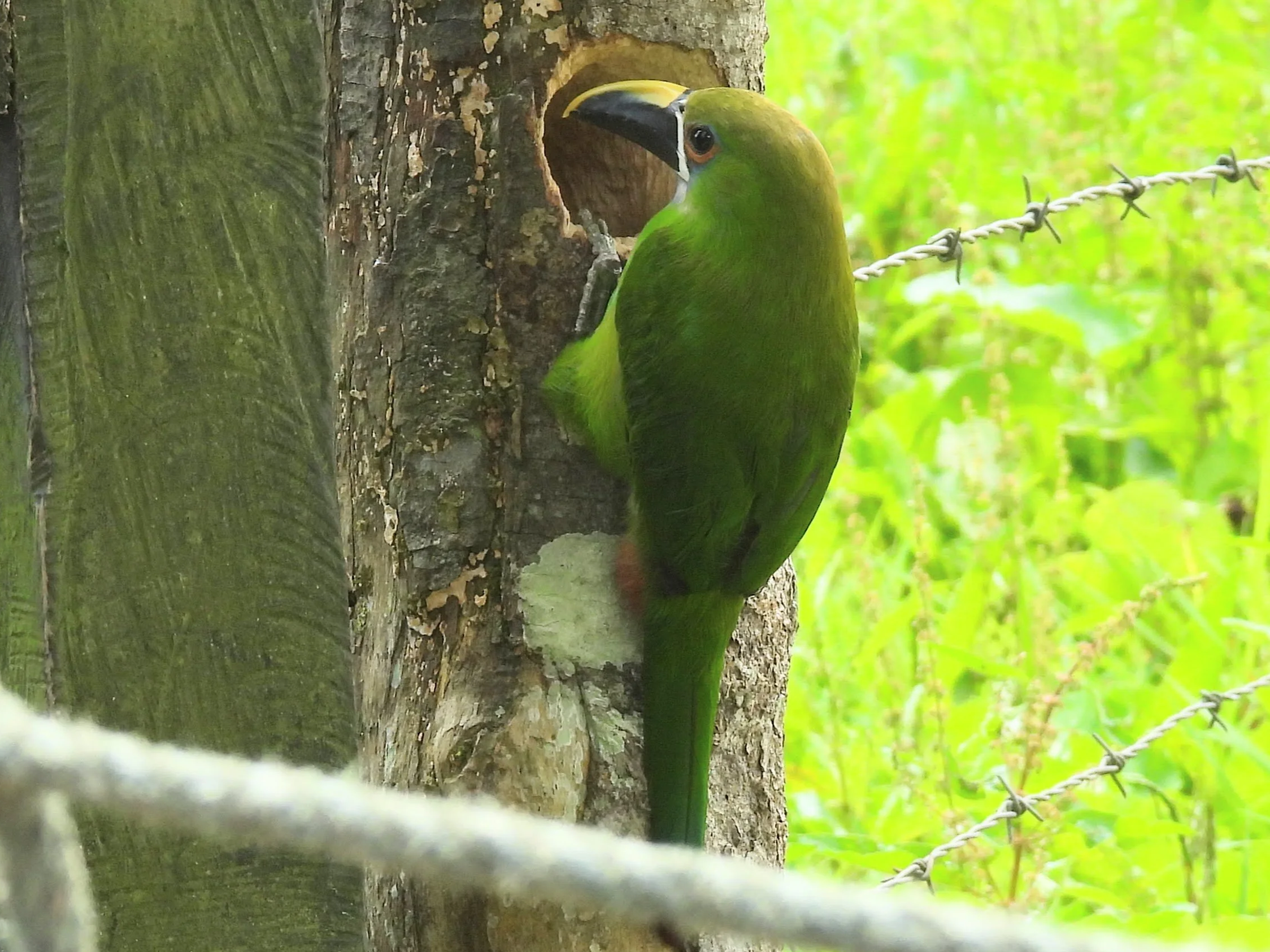
Birding in Colombia: What to Know Before You Go
Colombia has more bird species than any other country on Earth, over 1,900 of them. When you compare this to Audubon’s report of 800+ in the U.S., it really puts it in perspective. But because we remember Colombia of the 1980’s and Pablo Escobar, many of us think Colombia is still “off limits” for birders who want to travel but also feel safe. Well, at Vive Más Tours, we are changing the narrative on travel to Colombia. Remember, Escobar was killed in 1993, so he’s been dead for more than three decades!
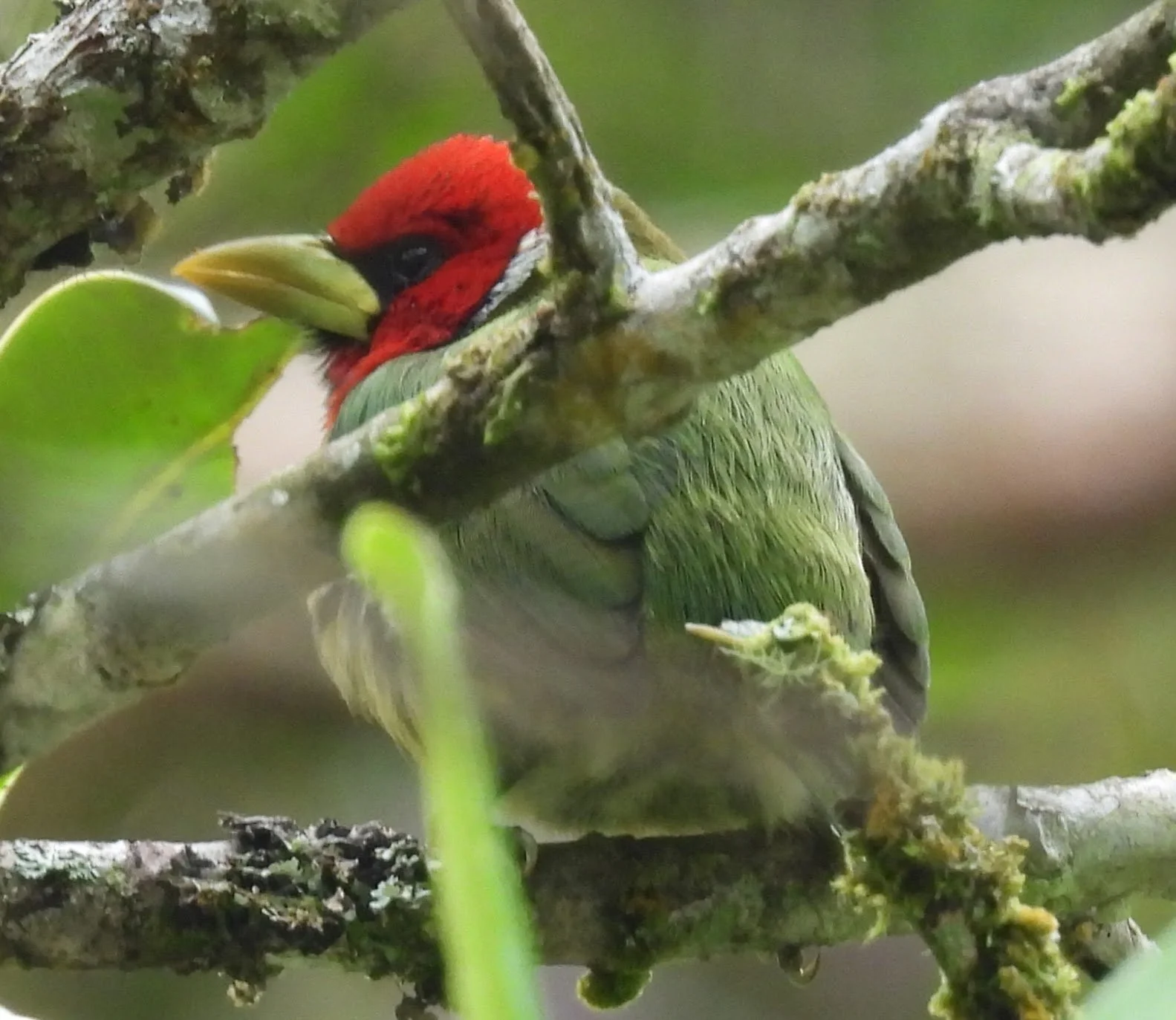
Red-headed Barbet in Quindío
Need a little more enticement to choose Colombia? Check out this blog post of hummingbirds I’ve actually seen and photographed on our tours of Colombia. When you’re ready, dive into the rest of this article on what to take.
It’s good to feel prepared when you travel anywhere, so we created this article to help you feel prepared for a trip to Colombia. Especially if you are going to Colombia to birdwatch.
What birds will I see in Colombia?
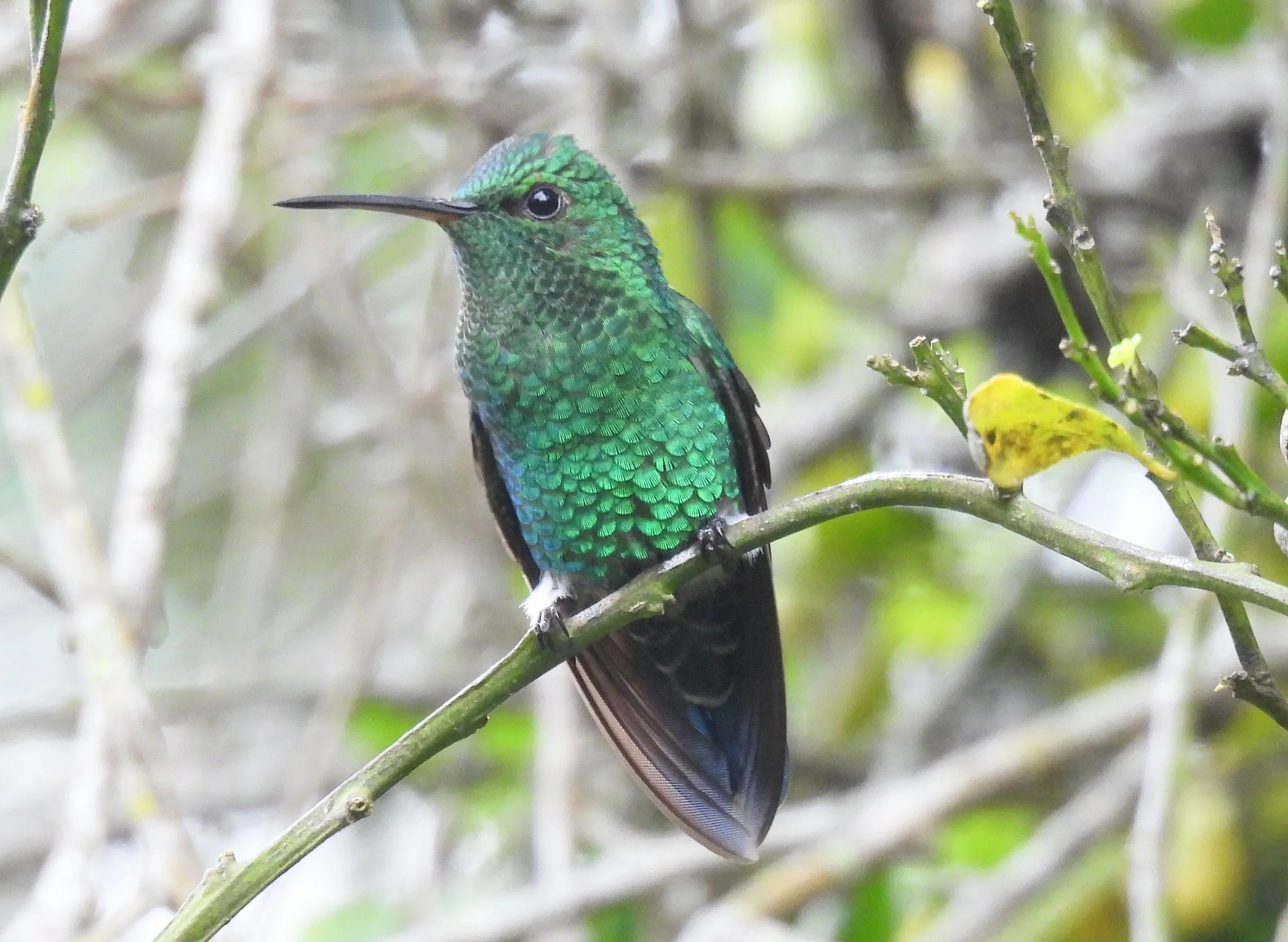
Where do I begin? My life list from Colombia has 172 species, and I have so many favorites. I’m not a “lister”. I keep lists, but I never rush from one bird sighting to the next. Some of the exciting species have included the Andean Cock-of-the-rock, Torrent Duck, Masked Trogon, Andean and Whooping Motmots, and the Rufous-tailed Jacamar. But not to be outdone, we’ve seen various kinds of toucans (the header for this blog is a Southern Emerald Toucanet), hummingbirds with tails three times longer than their bodies, tanagers, exotic woodpeckers, and parrots. And owls. Everybody loves a good owl.
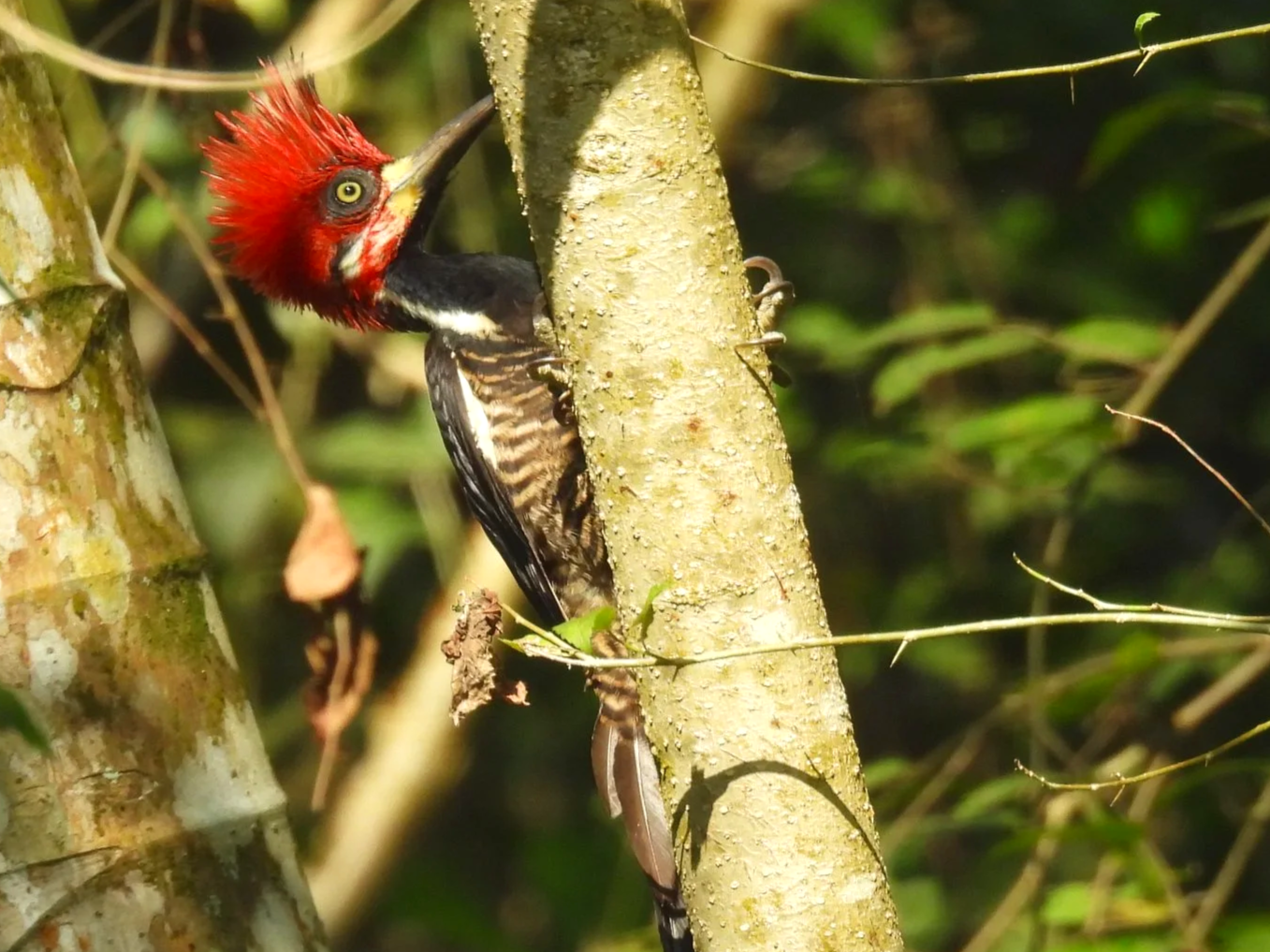
Crimson-crested Woodpecker
Colombia: a wide variety of ecosystems
On the Vive Más birding tours, we take you to distinctive habitats so you can see a variety of species. In one week, you can go from misty coffee farms in the Andes to the jungle foothills of the Sierra Nevada mountains, to the Caribbean coast in Cartagena. That variety is what makes the trip magical, and it's also why packing can feel tricky. Here's what our travelers ask most when preparing for a Vive Más Tours birding trip.
Weather: it depends on the elevation, not the month
The equator runs through the southern part of Colombia, so temperatures barely change during the year. The biggest differences come from altitude and from the rainy and dry seasons.
Region: Coffee Region of Quindío (including towns like Salento, Armenia, and Pereira)
Typical temperatures: 55–72°F
Drier months: December–February, June–August
Wetter months: March–May, September–November
Region: Santa Marta and the Magdalena department (including Minca in the Sierra Nevada foothills)
Typical temperatures: 66–84°F
Drier months: December–April
Wetter months: May–November
Region: Cartagena and the Caribbean coast
Typical temperatures: 77–90°F
Drier months: December–April
Wetter months: May–November
These are approximate averages. Even in the wetter months, rain usually comes as afternoon showers, not all-day downpours, and mornings for birdwatching are often clear. Salento sits at about 6,000 feet, so dawn can feel chilly. Cartagena, in the same week, is likely hot. Check the forecast right before you leave town, and also notice the “real feel”. For travelers from Colorado (like me), the temps seem to feel more intense because of the humidity.
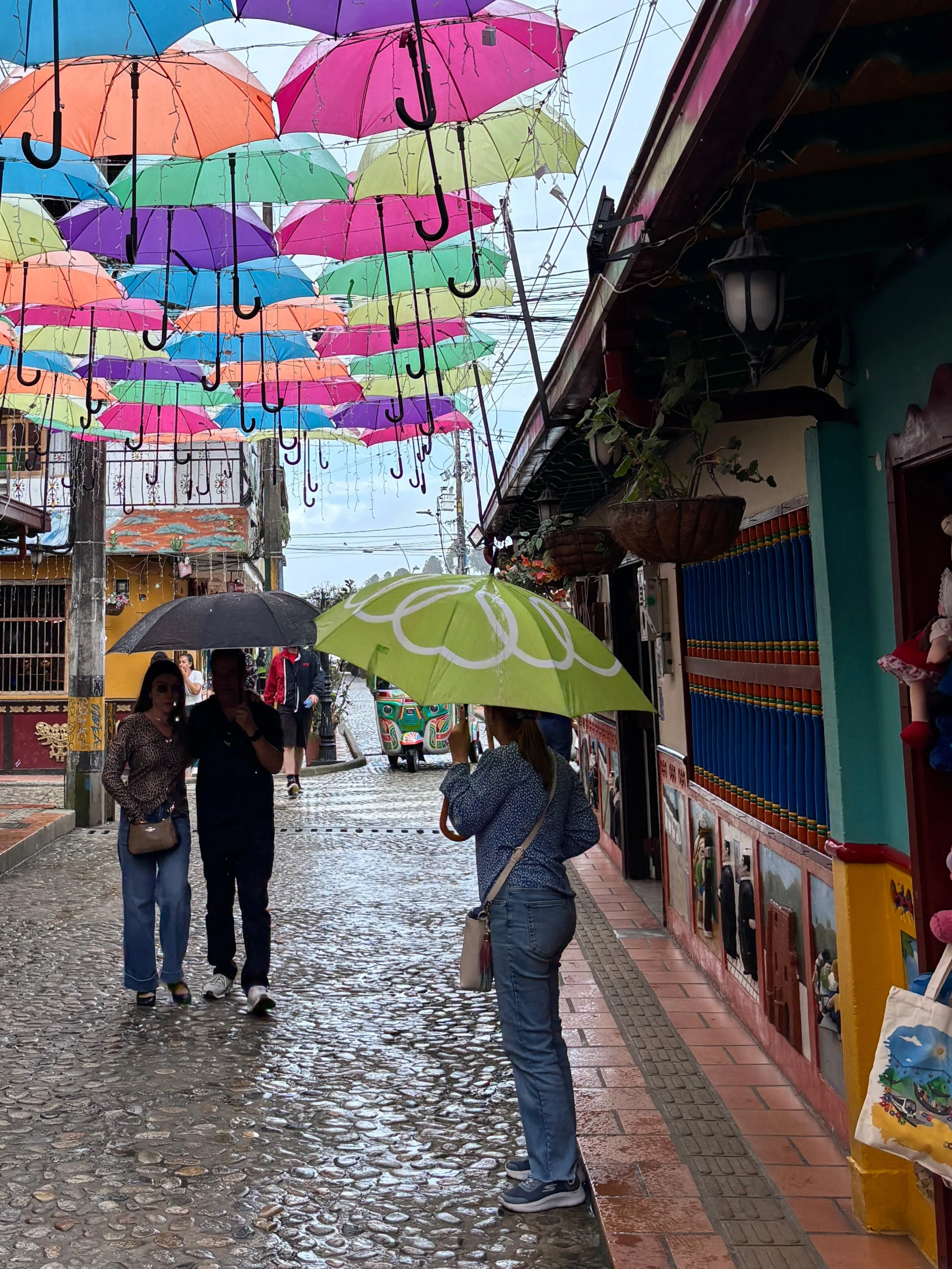
The best time to birdwatch in Colombia
There's no bad time for birds in Colombia, but each season has a different feel.
October through March is migrant season. Warblers, tanagers, and other North American birds spend the winter here, so you may spot some of your backyard birds alongside the local hummingbirds and toucans. Many migrants head north in April.
December through February is the driest stretch in most regions, which makes it a comfortable time to travel. Less mud! It's also high season, so book early.
The rainy seasons (see above for your region) bring lush, green forests and fewer tourists. Pack good rain gear and plan to birdwatch early in the day.
Holy Week (Semana Santa) and the late-December holidays are big travel times for Colombians. Hotels and flights fill up fast, so if your dates overlap with them, book well ahead.
What to pack for birdwatching in Colombia
After many, many trips to Colombia, I have narrowed down my list and know exactly what I pack every time. I even share my personal packing list publicly. I like to have everything I need, but not too much, because that can make it hard when changing hotel rooms or if a checked bag gets delayed.
Here are my tips:
Pack light and in layers. I fit everything in a carry-on, with about five days of clothing, and get my laundry done along the way. Yes, you can take more. But don’t. You’ll regret it.
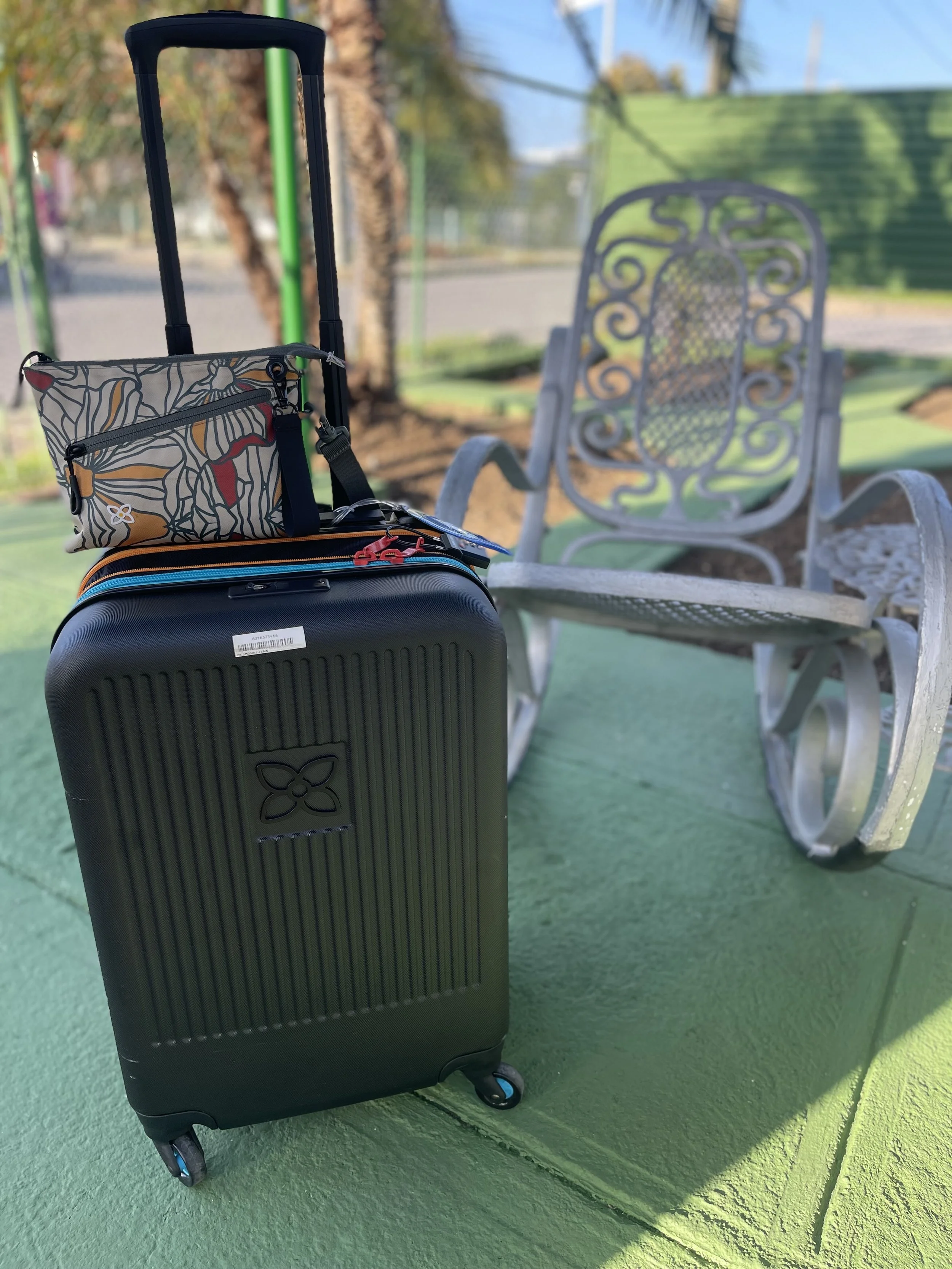
Gear for birdwatching in Colombia
Binoculars, of course
A warm layer for cool mountain mornings
A light rain jacket or packable poncho (not a windbreaker, but an actual, breathable rain jacket)
Lightweight long sleeves and pants
A hat, sunscreen, and insect repellent
Trekking tennis shoes (or hiking boots), it’s all about having good tread for slick rocks.
Download the free Merlin Bird ID and eBird apps, with the Colombia packs for your regions before you go.
You'll find everything in my bag on our Colombia birding packing list. Notice that you DO NOT NEED an adapter for Colombia when traveling from the U.S.
Health, bugs, and entry rules
Some travelers go to a travel clinic, or talk to their doctor, 4–6 weeks before they go. The regions we visit don’t require any vaccinations.
Plan for mosquitoes at dawn and dusk. That's prime birding time, so use high-quality repellent and wear long sleeves in the forest. You can find our favorite mosquito repellent on our Travel Tools page.
Check entry requirements. U.S. citizens don't currently need a visa, but Colombia requires an online immigration form (CheckMig) before arrival and departure. Here is the link to complete between 72 hours and 1 hour of departure to Colombia.
Food and water
I tend to be extra cautious anywhere I travel in Latin America. So here are my basic rules, but you have to decide for yourself:
Drink bottled water, and use it to brush your teeth. Ice in restaurants and hotels is fine.
Choose fruits and vegetables that are peeled or cooked, and skip raw salads.
Try the fresh juices. Lulo, maracuyá (passion fruit), and guanábana (soursop) are local favorites, and fresh juice is a great go-to drink.
How to prepare
Right after you book: buy trip insurance. We partner with Allianz, and here's how to choose a plan.
12–16 weeks out: book your flights.
4–6 weeks out: check in with your health provider
A few days before: complete Colombia's online immigration form and download your birding apps.
Ready to see Colombia's birds for yourself? Explore our Colombia birding tour, or reach out with questions. I'd love to bird with you. -Jenny